
🌍 Global
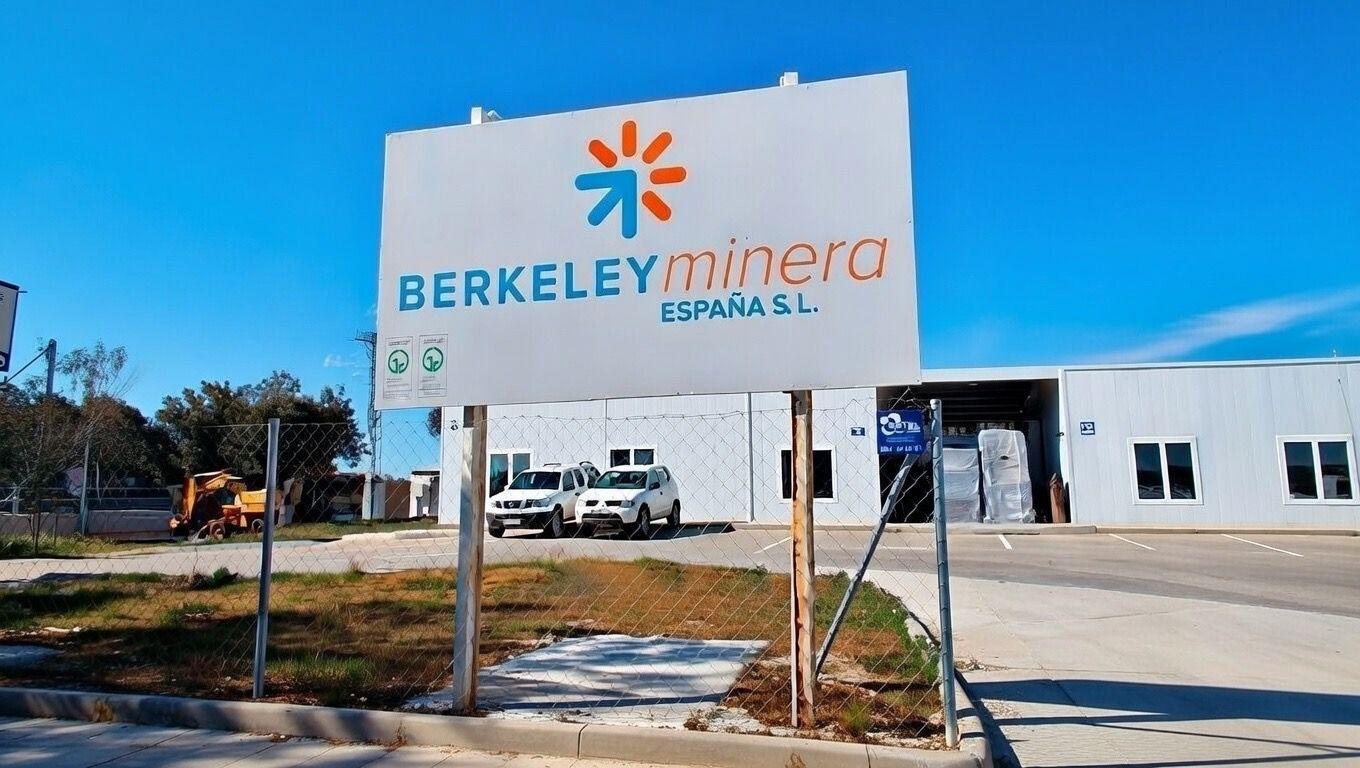






Australia-listed uranium developer Berkeley Energia has taken a decisive legal step in its long-running dispute with Spain, filing a formal compensation claim worth US$1.25 billion related to the delayed Salamanca uranium project. The move marks a significant escalation in a dispute that has become one of the most closely watched legal cases in the European uranium sector.
According to the company’s latest filing, its subsidiary Berkeley Exploration Limited submitted a Memorial of Claim to the International Centre for Settlement of Investment Disputes (ICSID) in Washington, outlining the legal basis, expert reports, witness statements and a detailed assessment of damages associated with the halted project.
The arbitration process is expected to continue through 2026, with Spain given until July to formally respond to the claim.
The dispute stems from Spain’s decision to withhold final approvals for the Salamanca uranium project, despite earlier stages of regulatory support. The project had received initial approvals more than a decade ago, but final authorization was denied in 2021 and again in 2023, effectively preventing development from proceeding.
Berkeley argues that these actions violated provisions of the Energy Charter Treaty, an international agreement designed to protect cross-border energy investments. The company initially sought about US$1 billion in damages when arbitration proceedings began in 2024, later revising the claim upward to US$1.25 billion following further analysis of project-related losses and regulatory impacts.
While the dispute has intensified, the company indicated that it continues to support dialogue with Spanish authorities and remains open to an amicable resolution, signaling that negotiations could still occur alongside arbitration proceedings.
Shares of Berkeley Energia fell about 8–9% to around A$0.52 following the announcement, reflecting the market’s cautious stance toward lengthy arbitration processes, which often take years to conclude and carry uncertain outcomes. The decline also coincided with broader weakness in mining equities during the session.
Despite the near-term volatility, the company’s share performance over the past year remains positive, with the stock still trading significantly above its 52-week low, highlighting how legal developments rather than operational changes are currently driving price movements.
For investors and market observers, the key takeaway is that arbitration claims of this scale can materially affect valuations not only through potential compensation outcomes but also through timelines, legal costs and project restart prospects.
The Salamanca project has long been viewed as one of Europe’s most significant potential uranium developments, particularly at a time when many Western economies are reconsidering nuclear energy as part of long-term decarbonisation strategies. If operational, the mine could have provided a domestic uranium source within the European Union, reducing reliance on imported supply.
This broader strategic backdrop explains why the dispute is being closely watched across the uranium sector. It also highlights the growing tension between national regulatory frameworks and international investment protections, especially in industries tied to environmental policy and energy transition debates.
Berkeley has reiterated that it remains committed to the project and is prepared to collaborate with Spanish regulators should a path toward permitting become available in the future.
Under ICSID procedures, Spain will submit its formal response later this year, after which the arbitration panel will determine procedural timelines and assess jurisdictional matters if required. The process can take several years before a final decision is reached, meaning the claim is likely to remain a key overhang on the company’s valuation for some time.
In the interim, Berkeley is expected to continue providing updates as arbitration milestones are reached, while also exploring potential negotiation channels that could lead to either a settlement or renewed project permitting.
The Berkeley–Spain dispute underscores a wider theme across the global mining industry: resource projects are increasingly influenced by regulatory and political considerations alongside traditional geological and economic factors. As governments tighten environmental policies and energy strategies evolve, mining companies operating across borders face growing legal complexity, particularly in sectors such as uranium where national policy shifts can have immediate project-level consequences.
For the uranium market, the outcome of this arbitration could set an important precedent regarding investor protections and regulatory reversals within developed jurisdictions. For Berkeley, the case represents both a financial recovery opportunity and a potential pathway to eventually unlocking one of Europe’s most advanced undeveloped uranium assets.
Disclaimer - Skrill Network is designed solely for educational and informational use. The content on this website should not be considered as investment advice or a directive. Before making any investment choices, it is crucial to carry out your own research, taking into account your individual investment objectives and personal situation. If you're considering investment decisions influenced by the information on this website, you should either seek independent financial counsel from a qualified expert or independently verify and research the information.
Tags:
RECENT POSTS
TAGS
Subscribe to the Skrill Network Newsletter today and stay informed
Recommended Articles
