
🇺🇸 USA






The defence technology sector is quietly gathering momentum, even as broader markets wrestle with inflation and geopolitical uncertainty.
Against that backdrop, Electro Optic Systems Holdings Ltd has secured fresh orders from the United States military while inching closer to a potentially transformative $120 million laser weapons deal in Asia.
The update signals something deeper than just contract wins. It reflects how modern warfare is shifting toward automation, counter-drone systems, and directed energy weapons.
EOS has locked in two new US contracts worth a combined US$12 million, or roughly A$17 million.
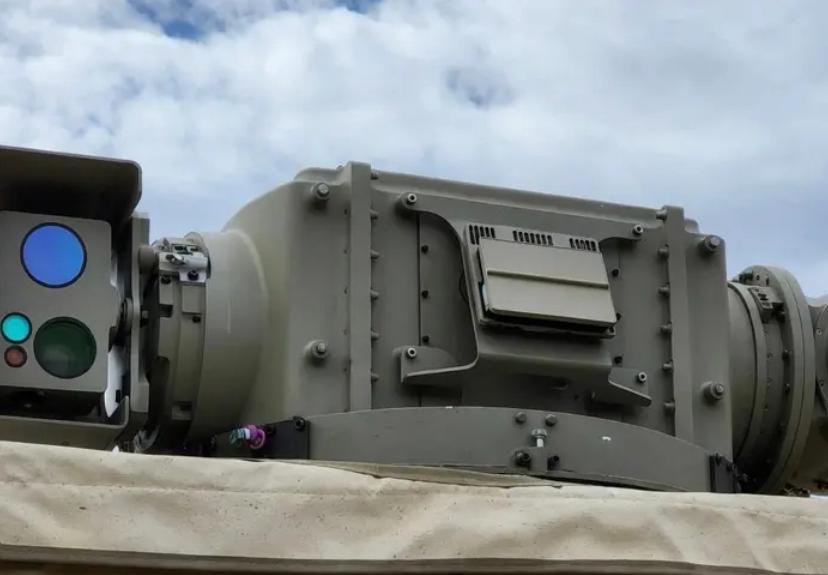
The first is a US$5 million deal with the US Army to develop and deliver enhanced Remote Weapon Systems. These are advanced, vehicle-mounted weapons that can be operated remotely, improving soldier safety on the battlefield.
Manufacturing will take place in Huntsville, Alabama, with deliveries expected in 2026.
The second contract is a US$7 million follow-on order tied to Northrop Grumman, one of the world’s largest defence primes. EOS will supply its “Slinger” Remote Weapon System for integration into the Agnostic Gun Truck platform, specifically designed to counter drone threats.
This is not a first-time collaboration. EOS has previously worked with Northrop, and the repeat order suggests its technology is moving from testing into deployment.
The Slinger system sits at the heart of a rapidly expanding defence niche.
Modern battlefields, from Ukraine to the Middle East, have shown that low-cost drones can inflict disproportionate damage. Traditional missile systems are often too expensive to counter them effectively.
That is where EOS comes in.
Its counter-drone systems are designed to provide a scalable, cost-effective response. Instead of firing million-dollar missiles at cheap drones, systems like Slinger offer precision targeting at a fraction of the cost.
This shift is driving global demand.
According to defence industry estimates, the counter-UAS market is expected to grow significantly over the next decade as militaries adapt to asymmetric threats.
One of the more strategic elements of the announcement lies in where the systems are being built.
By manufacturing in Alabama, EOS positions itself as a domestic supplier within the United States defence ecosystem.
This matters because of “Buy American” policies, which often favour locally produced equipment in government procurement.
In practical terms, it increases EOS’s chances of converting development contracts into large-scale production programs.
It also embeds the company deeper into the US defence supply chain, widely considered the most lucrative in the world.
While the US contracts provide validation, the bigger story may lie in Asia.
EOS is working to convert a conditional US$80 million agreement with Korean defence group Goldrone into a fully binding contract.
The project involves building a 100kW High Energy Laser weapon, one of the most advanced forms of directed energy technology currently under development.
Recent discussions between the two parties have produced a shared action plan to move the deal forward.
EOS now expects the contract could become unconditional in the second quarter of 2026, although it cautions there is no certainty.
The structure of the deal includes key milestones:
There is also a notable shift in manufacturing strategy, with plans now exploring production of the first unit in Korea rather than Singapore. That move could strengthen the partnership and align with local defence priorities.
High-energy laser systems are often described as the “next frontier” in defence.
Unlike traditional weapons, lasers offer what is sometimes called a near-infinite magazine. As long as there is power, they can keep firing.
They also dramatically reduce the cost per shot compared to missiles or ammunition.
For militaries facing drone swarms or missile saturation, this is a game changer.
Globally, countries including the United States, China, and Israel are investing heavily in directed energy systems. EOS is now positioning itself within that elite group.
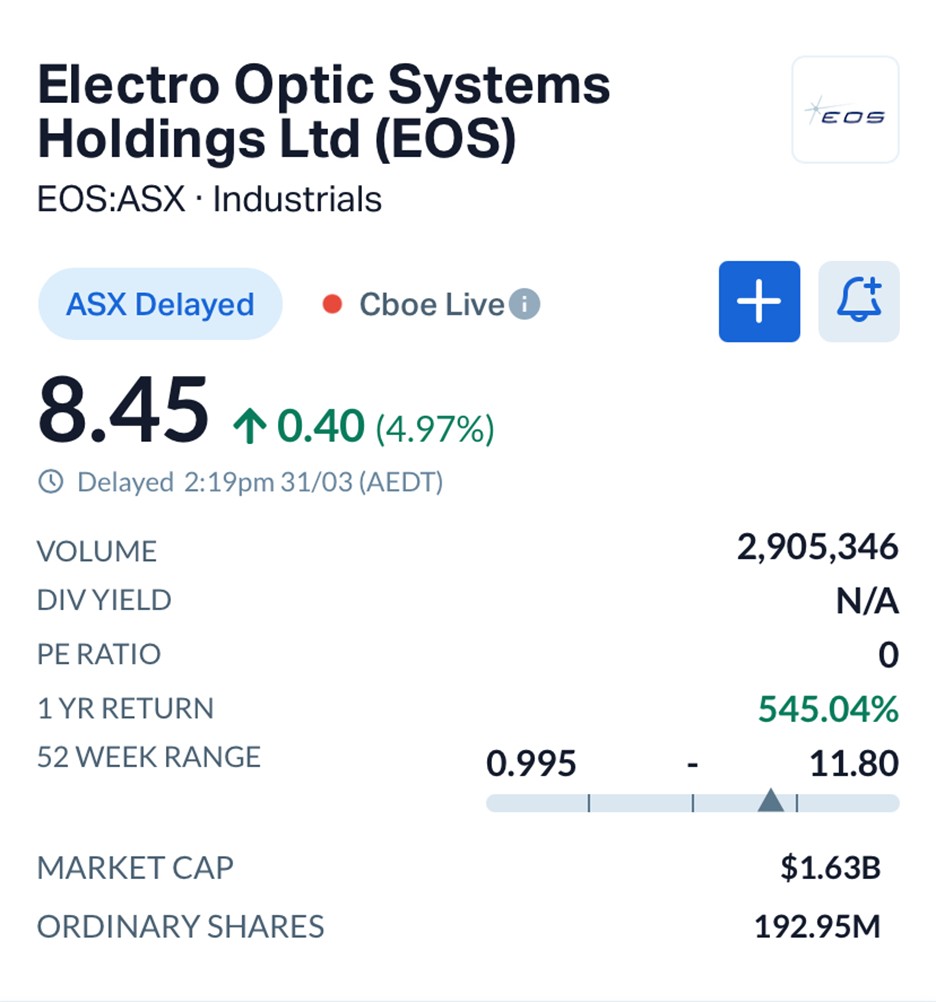
Shares in EOS rose 4.97% to $8.47 following the update, extending a remarkable run that has seen the stock climb more than 545% over the past year.
Source: MarketIndex
The company now carries a market capitalisation of around $1.6 billion, reflecting growing confidence in its technology and execution.
While still considered a mid-cap, EOS is increasingly being viewed as a serious player in global defence innovation.
The developments at EOS mirror a wider transformation in defence spending.
Governments are prioritising technologies that offer speed, scalability, and cost efficiency.
That includes:
Historically, defence contracts were dominated by large primes. Today, smaller, specialised firms like EOS are carving out critical roles by delivering niche technologies.
For EOS, the near-term focus will be execution.
Delivering on US contracts in 2026 will be key to building credibility and securing follow-on orders.
At the same time, all eyes will be on the Korean laser deal.
If it turns unconditional, it could act as a major catalyst, both financially and strategically.
It would not only inject significant revenue but also validate EOS’s ability to commercialise high-energy laser systems at scale.
Disclaimer - Skrill Network is designed solely for educational and informational use. The content on this website should not be considered as investment advice or a directive. Before making any investment choices, it is crucial to carry out your own research, taking into account your individual investment objectives and personal situation. If you're considering investment decisions influenced by the information on this website, you should either seek independent financial counsel from a qualified expert or independently verify and research the information.
Tags:
RECENT POSTS
TAGS
Subscribe to the Skrill Network Newsletter today and stay informed
Recommended Articles
