

Rio Tinto (ASX: RIO) posts higher iron ore sales despite rising diesel costs

Team Skrill Network
Team Skrill Network comprises seasoned professionals from diverse fields including Finance, Mining, Technology, Investing, and Digital Strategy. They bring a deep knowledge and understanding of financial markets and behavioural patterns to every story, ensuring credibility and precision in every piece. Whether analysing emerging market trends or spotlighting small- and mid-cap growth companies across ASX, TSX, or NASDAQ, the team’s editorial approach blends data-driven insights with compelling storytelling. Their expertise enables them to process complex developments into content that resonates with both institutional investors and retail audiences. Backed by experience in content curation, SEO strategy, and investor-focused messaging, the team of writers at Skrill Network are committed to delivering stories that matter—authentic, relevant, and strategically aligned with the evolving landscape of global investing.
Read more
Neha Dev
Neha Dev is a finance writer and doctoral researcher in Finance at Maharaja Agrasen University, Baddi, where she also taught as an Assistant Professor for five years. Blending rigorous academic expertise with international industry experience, her background includes managing regional market strategies in South East Asia for Scholastic International and corporate finance training for Procter & Gamble. She holds advanced post-graduate qualifications in International Business, Personnel Management, and Labour Law, bringing a comprehensive, macro-level perspective to financial journalism.
Read more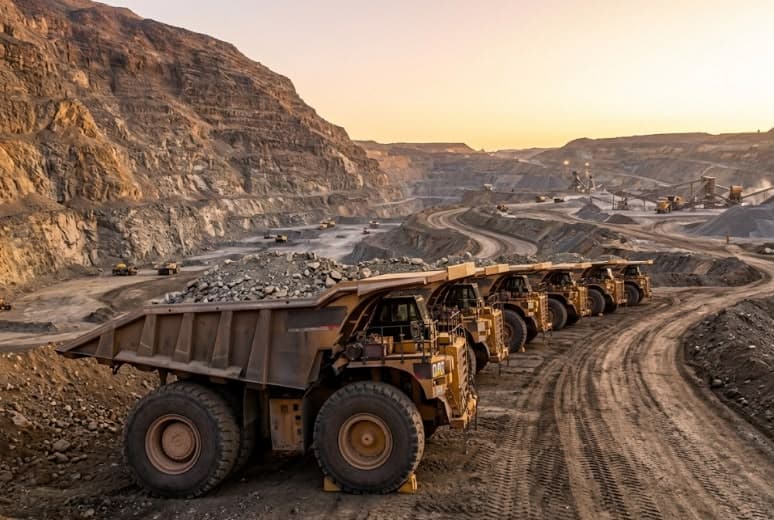
Key Highlights
- Rio Tinto beat market expectations with 85.3Mt of Pilbara iron ore sales in Q2 2026.
- First-half iron ore sales rose 5% year-on-year to 157.7Mt.
- Higher diesel costs linked to Middle East tensions lifted operating expenses, but full-year cost guidance was maintained.
- Copper unit cost guidance was sharply lowered, while lithium production continued to ramp up.
- Simandou iron ore project remains on schedule, with first production targeted from 2028.
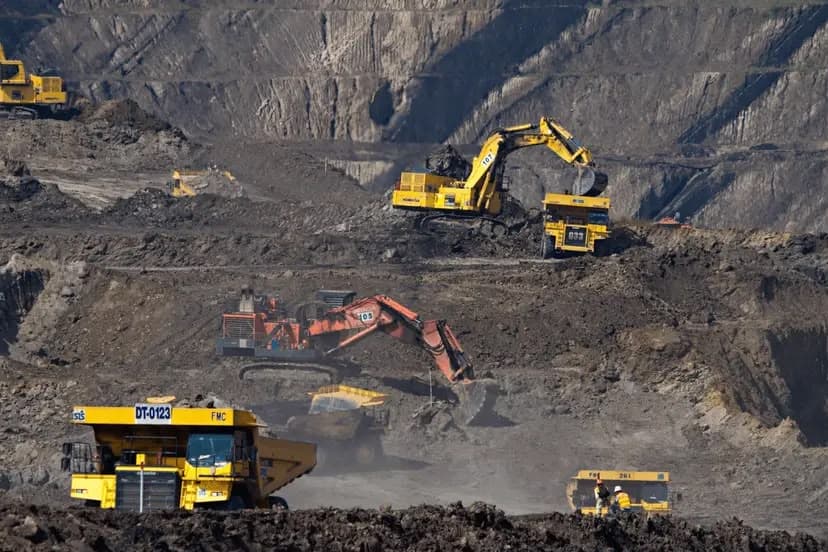
Rio Tinto (ASX: RIO) has delivered stronger-than-expected second-quarter iron ore sales, reinforcing the resilience of its Pilbara operations even as higher diesel prices and geopolitical tensions increase cost pressures across the mining sector.
Market Snapshot
The global miner shipped 85.3 million tonnes of iron ore from Western Australia during the three months to June 30, comfortably ahead of analysts’ expectations of 83.6 million tonnes and above the 79.9 million tonnes sold in the same period last year. First-half sales climbed 5% to 157.7 million tonnes, marking Rio Tinto’s strongest first-half sales performance since 2020. (Source: Rio Tinto Q2 2026 Operations Review, Reuters, Visible Alpha).
The stronger volumes come at a time when global commodity markets are balancing healthy demand with rising geopolitical risks. Higher fuel prices, driven by tensions surrounding Iran and concerns over shipping through the Strait of Hormuz, have pushed up operating costs across the mining industry.
Live stock: source Trading view
Rio Tinto acknowledged that higher diesel prices are increasing production costs, particularly for producers with greater exposure to fuel expenses. Even so, the company kept its 2026 Pilbara unit cash cost guidance unchanged, signalling confidence that operational efficiencies can offset some of those pressures.
While the company will need a stronger second half to achieve its full-year shipment guidance of between 323 million and 338 million tonnes, management said operations across its core businesses have not experienced any material disruption from the Middle East conflict. The company added it continues to monitor developments around the Strait of Hormuz while maintaining contingency plans should supply chains or logistics become affected.
Iron ore remains Rio Tinto’s largest earnings contributor, but the latest operational update highlights a company steadily broadening its commodity mix.
Copper is emerging as one of Rio’s most important long-term growth engines. Although overall copper production slipped 7% during the June quarter to 213,000 tonnes due to lower output at the Kennecott mine in the United States and Chile’s Escondida operation, the broader picture appears more encouraging.
The company significantly reduced its 2026 copper C1 unit cost guidance to between US30 cents and US50 cents per pound, down from the previous US65 cents to US75 cents range. Productivity improvements and stronger gold by-product credits were key contributors to the lower cost outlook.
Rio also highlighted continued progress across several major copper developments, including Oyu Tolgoi, where production increased 31% year-on-year, alongside advancing projects at Resolution, Winu and La Granja. Together, they strengthen Rio’s exposure to metals expected to benefit from electrification, renewable energy and expanding AI infrastructure.
Lithium is also becoming a larger part of Rio’s future growth strategy. Production rose 53% as first output was achieved ahead of schedule at Sal de Vida and Fenix 1B in Argentina, while the Rincon project continued to advance. The company said future lithium hubs are targeting operating costs below US$5 per kilogram, positioning the business competitively within the global battery materials market.
Another closely watched project remains Simandou in Guinea, widely regarded as one of the world’s largest undeveloped high-grade iron ore projects. Construction continues to advance, with the mine reported to be 77% complete, the port 85% complete, and rail infrastructure already commissioned. First port commissioning is expected during the first quarter of 2027, with production targeted to ramp up from the second half of 2028.
Stay ahead of the market
The most important stories, delivered to your inbox. No noise, just what matters.
By subscribing, you agree to our Privacy Policy.
The steady progress is notable at a time when many large mining developments have faced delays or cost overruns.
Although a furnace outage at Kennecott is expected to affect second-half copper and gold production, Rio left its broader production guidance unchanged, suggesting the disruption is viewed as temporary rather than structural.
For the market, the latest quarterly update tells a broader story than simply stronger iron ore shipments. Rio Tinto continues to generate robust cash flows from its Pilbara business while simultaneously expanding its exposure to copper, lithium and other critical minerals that underpin electric vehicles, renewable energy systems, data centres and AI infrastructure.
As governments and industries increasingly focus on securing reliable supplies of these strategic commodities, Rio’s expanding portfolio positions it beyond its traditional identity as the world’s largest iron ore producer and toward becoming one of the mining sector’s most diversified suppliers of the materials driving the global energy transition.
(Source: Rio Tinto Q2 2026 Operations Review).
What is your take on Rio Tinto?
This is user sentiment & not financial advice.
Disclaimer - Skrill Network is designed solely for educational and informational use. The content on this website should not be considered as investment advice or a directive. Before making any investment choices, it is crucial to carry out your own research, taking into account your individual investment objectives and personal situation. If you're considering investment decisions influenced by the information on this website, you should either seek independent financial counsel from a qualified expert or independently verify and research the information.