

Australian Rare Earths (ASX: AR3) Unveils Robust Koppamurra Economics as Rare Earth Supply Race Intensifies

Team Skrill Network
Team Skrill Network comprises seasoned professionals from diverse fields including Finance, Mining, Technology, Investing, and Digital Strategy. They bring a deep knowledge and understanding of financial markets and behavioural patterns to every story, ensuring credibility and precision in every piece. Whether analysing emerging market trends or spotlighting small- and mid-cap growth companies across ASX, TSX, or NASDAQ, the team’s editorial approach blends data-driven insights with compelling storytelling. Their expertise enables them to process complex developments into content that resonates with both institutional investors and retail audiences. Backed by experience in content curation, SEO strategy, and investor-focused messaging, the team of writers at Skrill Network are committed to delivering stories that matter—authentic, relevant, and strategically aligned with the evolving landscape of global investing.
Read more
Key Highlights
• Pre-Feasibility Study delivers a post-tax NPV of A$858 million and a 99% Internal Rate of Return.
• Maiden Ore Reserve of 26 million tonnes supports an initial 12-year mine life.
• Initial capital cost of A$178 million with payback expected in less than one year.
Market Snapshot
• Project positions Australia to strengthen non-China rare earth supply chains.
As governments and manufacturers search for alternatives to China’s dominance in rare earth supply, Australian Rare Earths (ASX: AR3) has taken a significant step forward with a Pre-Feasibility Study that highlights the commercial potential of its flagship Koppamurra Rare Earths Project in South Australia.
The study outlines a project capable of generating a post-tax Net Present Value of A$858 million and an impressive post-tax Internal Rate of Return of 99%, supported by relatively modest upfront capital of A$178 million.
Perhaps most striking is the projected payback period of just 0.9 years from first production, placing Koppamurra among the more capital-efficient rare earth developments currently advancing in Australia.
The project is expected to operate for an initial 12 years, processing three million tonnes of ore annually and producing an average of 1,860 tonnes of mixed rare earth oxide each year.
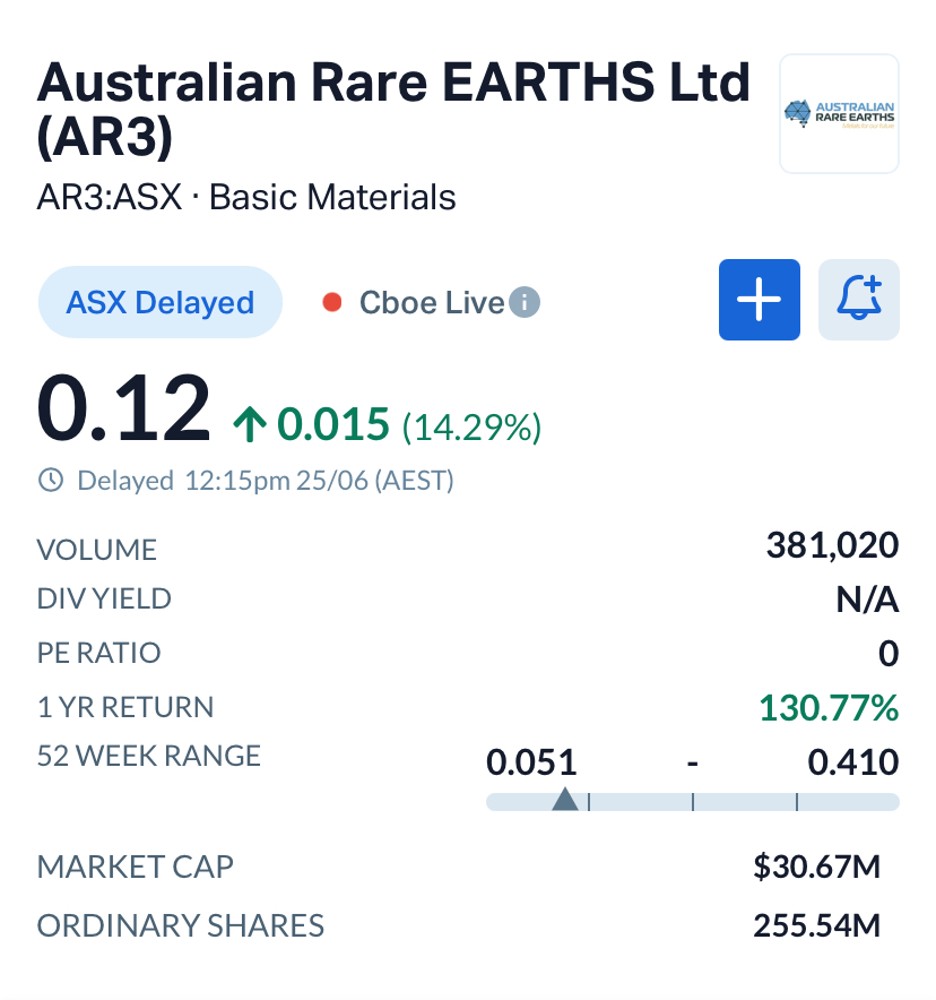
At the time of writing this article, AR3 shares were up by 14.29%, trading at A$0.12. | Source: MarketIndex
Australian Rare Earths also announced its maiden Probable Ore Reserve of 26 million tonnes grading 920 parts per million Total Rare Earth Oxides (TREO). That reserve grade is around 22% higher than the project’s overall Mineral Resource estimate of 243 million tonnes at 751ppm TREO, allowing the company to prioritise higher-grade material early in the mine schedule.
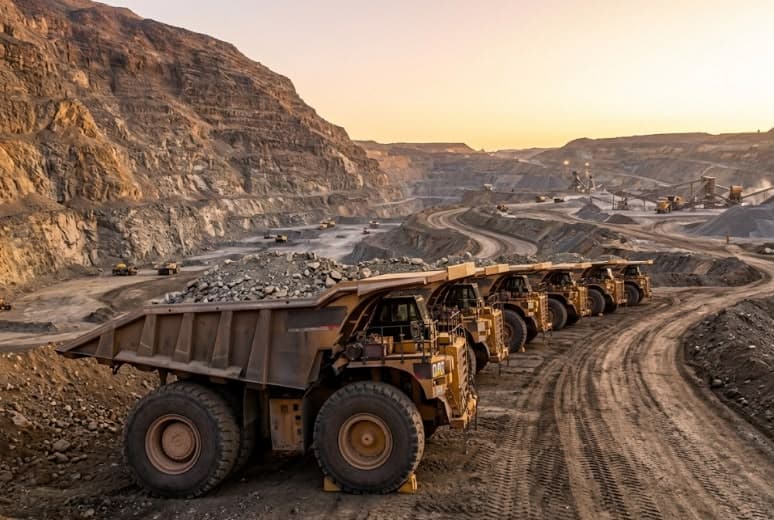
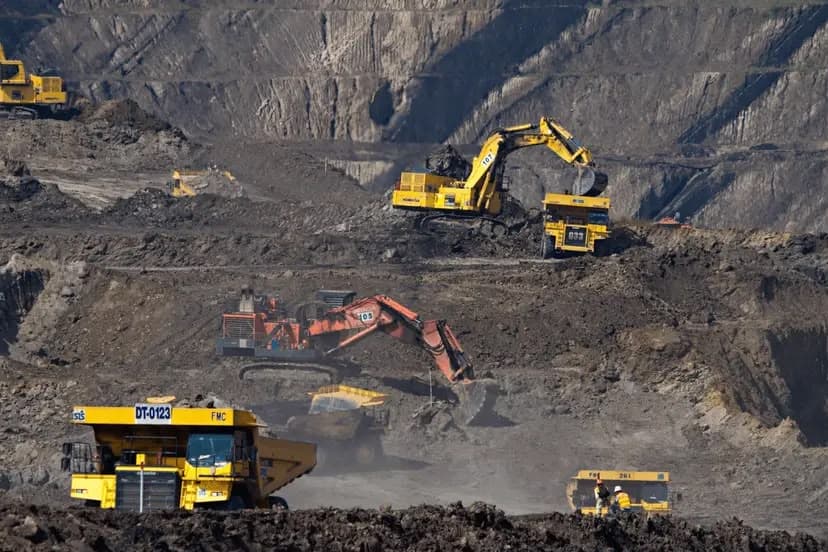
Unlike many hard-rock rare earth operations that require energy-intensive crushing and roasting, Koppamurra is an ionic clay deposit. The shallow mineralisation allows free-dig mining with no drilling or blasting, while a relatively simple heap leach process extracts the rare earth elements using diluted sulphuric acid and magnesium sulphate.
That simpler processing route helps explain the project’s competitive economics.
The study estimates an all-in sustaining cost of US$38.32 per kilogram of TREO against a forecast long-term basket price of US$139 per kilogram, based on independent Western market forecasts from Adamas Intelligence and Argus Media.
Beyond the numbers, timing may prove just as important.
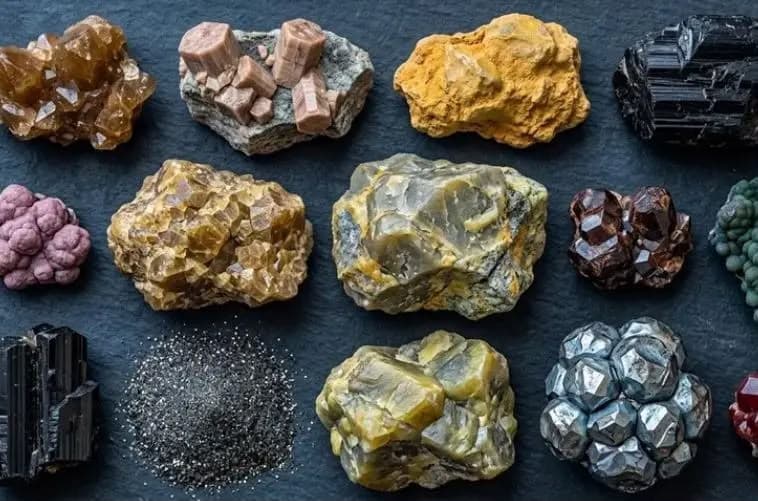
China continues to tighten export controls on several strategically important heavy rare earth elements, including dysprosium, terbium and yttrium, all of which are essential for permanent magnets used in electric vehicles, wind turbines, robotics and defence technologies.
Koppamurra’s rare earth basket includes meaningful production of both light and heavy rare earth elements, positioning the project to benefit as Western governments seek to diversify critical mineral supply chains.
The project has already secured a A$5 million grant under the Australian Government’s International Partnerships in Critical Minerals program, while continuous pilot processing is scheduled to begin shortly at ANSTO’s Sydney facility. The pilot program is expected to generate product samples for future offtake discussions with global customers.
Stay ahead of the market
The most important stories, delivered to your inbox. No noise, just what matters.
By subscribing, you agree to our Privacy Policy.
Managing Director and Chief Executive Officer Travis Beinke said the study reflected years of technical development focused on keeping the project simple.
“An after-tax NPV8 of A$858 million and an IRR of 99% on A$178 million of initial capital, with payback in 0.9 years, these are exceptional results and the hallmark of a project designed with simplicity in mind. The continued evolution of the project flowsheet has culminated in a low complexity design, resulting in capital light development, at an exceptionally competitive capex position globally.”
Beinke also highlighted the broader geopolitical backdrop driving interest in new rare earth supply.
“China’s export controls on rare earths have fundamentally changed the economics of what we are building at Koppamurra. Western supply chains need alternatives, and they need them now. Today’s maiden Ore Reserve, delivered alongside our Pre-Feasibility Study, confirms that Koppamurra can be one of them.”
The company is targeting submission of its Mining Lease Application later this year before progressing into a Definitive Feasibility Study, with first commercial production targeted by 2029.
While permitting, financing and converting additional resources into reserves remain key milestones, the latest study significantly advances Koppamurra from exploration success toward becoming one of Australia’s most advanced ionic clay rare earth developments.
Source: Australian Rare Earths ASX announcement (25 June 2026), Pre-Feasibility Study, JORC Ore Reserve and Mineral Resource Update, Adamas Intelligence, Argus Media, Australian Government International Partnerships in Critical Minerals Program.
What is your take on this story?
This is user sentiment & not financial advice.
Disclaimer - Skrill Network is designed solely for educational and informational use. The content on this website should not be considered as investment advice or a directive. Before making any investment choices, it is crucial to carry out your own research, taking into account your individual investment objectives and personal situation. If you're considering investment decisions influenced by the information on this website, you should either seek independent financial counsel from a qualified expert or independently verify and research the information.